
In today’s world of prolonged sitting, from office cubicles to airplane seats, the humble footrest emerges as a surprisingly crucial element for comfort and well-being. This comprehensive guide delves into the multifaceted nature of footrests, exploring their benefits, drawbacks, and crucial design considerations to help you determine if a footrest is a worthwhile investment.
From ergonomic principles to material choices and specific applications, this analysis will empower you to make an informed decision. We’ll cover various footrest types, their associated costs, and their impact on posture and overall health, providing a holistic perspective on this often-overlooked aspect of modern living.
Understanding Footrest Benefits
Footrests are more than just a stylish addition to a workspace; they can significantly impact comfort, posture, and overall well-being. Properly designed footrests provide crucial support for the feet and lower legs, reducing strain and promoting a healthier work environment. By understanding the diverse benefits and applications of footrests, individuals can make informed decisions about incorporating them into their daily routines.Footrests offer a multifaceted approach to enhancing physical comfort and mitigating potential health issues associated with prolonged sitting.
By strategically positioning the feet and legs, they can improve circulation, reduce pressure points, and maintain a more natural posture, leading to a reduction in back pain and other musculoskeletal issues. The right footrest can be a simple but powerful tool for creating a more ergonomic and productive work environment.
Types of Footrests and Their Advantages
Different types of footrests cater to various needs and preferences. Adjustable footrests allow for customized height and angle adjustments, accommodating individual body types and work tasks. Ergonomic footrests, often designed with contoured surfaces, provide targeted support for the arch and sole, promoting better posture and circulation. Elevated footrests, offering a raised platform for the feet, are especially beneficial for individuals with circulatory issues or those working in professions requiring prolonged standing.
Impact on Posture and Body Alignment
Footrests play a significant role in maintaining proper posture. By supporting the feet and ankles at a comfortable angle, they encourage a more upright and balanced sitting position. This improved posture reduces stress on the lower back and neck, potentially alleviating back pain and other musculoskeletal issues associated with poor posture. Furthermore, consistent use of appropriate footrests can promote better body alignment throughout the entire posture chain, from the feet to the head.
Studies have shown a correlation between improved posture and reduced pain, particularly in the lower back and neck regions.
Applications in Various Professions and Activities
Footrests are crucial for professionals who spend significant time seated, such as office workers, teachers, and computer programmers. For instance, a tailored footrest can dramatically improve the comfort and well-being of a software engineer hunched over a keyboard for extended periods. Similarly, students can benefit from footrests during study sessions, which will promote a more relaxed and productive study environment.
In healthcare settings, footrests are essential for patient comfort and potentially reduce the risk of developing musculoskeletal issues. Even in leisure activities like reading or watching movies, using a footrest can enhance comfort and reduce strain.
Alleviating Physical Strain and Discomfort
Footrests can significantly alleviate physical strain by reducing pressure on the feet and legs. Prolonged sitting without adequate support can lead to discomfort, numbness, and swelling in the lower extremities. Footrests effectively distribute weight, reducing pressure points and promoting healthy circulation. This, in turn, can prevent or mitigate issues such as varicose veins and other circulatory problems, which can be particularly important for individuals with existing conditions or those at risk.
For example, someone with diabetes may benefit from using a footrest to enhance circulation and reduce the risk of foot complications.
Analyzing Footrest Drawbacks
Footrests, while offering potential benefits for posture and comfort, can also present drawbacks. Careful consideration of these downsides is crucial for determining if a footrest is truly a worthwhile addition to your workspace or personal setup. Ignoring potential pitfalls could lead to discomfort or even exacerbate existing posture problems.Understanding the potential downsides of footrests allows users to make informed decisions, ensuring they optimize their workspace for comfort and well-being.
Choosing the right footrest design, considering individual needs and potential risks, is key to reaping the benefits and avoiding the drawbacks.
Potential Inconveniences and Unnecessary Use Cases
Footrests, while beneficial in many scenarios, can be inconvenient or even unnecessary in specific situations. Their presence might obstruct movement, leading to reduced workspace efficiency. For example, in environments with limited space, a footrest could become a hindrance rather than a help. Likewise, individuals with very low chairs might not benefit from a footrest as much as those with higher seating.
Similarly, some individuals might find that their natural posture or the ergonomic design of their chair provides adequate support without the need for an additional footrest.
Negative Impacts on Posture and Body Mechanics
Incorrect footrest use can negatively impact posture and body mechanics. Using a footrest that’s too high or too low can throw off the natural alignment of the body, leading to strain in the lower back, hips, and knees. Prolonged use of an inappropriately positioned footrest can result in long-term postural problems. Furthermore, if the footrest doesn’t support the feet properly, it can lead to discomfort and potentially worsen existing musculoskeletal issues.
Individuals with pre-existing conditions should be particularly cautious about the potential negative impacts of footrests.
Comparison of Footrest Designs and Potential Risks
Different footrest designs offer varying levels of support and comfort. A simple, flat footrest might be adequate for some, but others might require a more complex design with adjustable height or angle. A poorly designed footrest could exacerbate existing posture problems, while a well-designed one could improve comfort.
| Footrest Design | Potential Drawbacks |
|---|---|
| Simple, flat footrest | May not provide adequate support for varied foot positions, potentially leading to discomfort. May not accommodate individuals with specific foot conditions. |
| Adjustable height and angle footrest | Increased complexity may lead to more opportunities for misalignment or incorrect use. Cost can be higher. |
| Footrest with built-in massage or vibration features | Potential for overstimulation or discomfort. Can be more expensive. Maintenance requirements may increase. |
“Proper footrest use is crucial for minimizing the potential risks associated with their use.”
Improper footrest use can pose several risks. Incorrect positioning can strain muscles, ligaments, and joints. Using a footrest that is unstable or poorly constructed could lead to accidents or falls. The potential risks are further amplified when footrests are used by individuals with pre-existing medical conditions. Carefully evaluating the footrest’s stability and adjustability is essential before use.
It is recommended to consult with a physical therapist or ergonomic specialist to determine the appropriate footrest for individual needs.
Footrest Types and Features
Footrests, while seemingly simple, offer a spectrum of options tailored to individual needs and preferences. Understanding the diverse types and features available is crucial for maximizing comfort and support during extended periods of sitting. From basic fixed models to sophisticated adjustable designs, the market caters to a wide range of budgets and ergonomic requirements.
Footrest Material Comparison
Different materials offer varying levels of comfort, durability, and aesthetic appeal. Understanding these differences allows for a more informed decision-making process.
| Material | Comfort | Durability | Aesthetic | Price Range |
|---|---|---|---|---|
| Wood | Warm and natural feel; often visually appealing. | Generally durable, but susceptible to scratches and dents if not properly treated. | Versatile, can complement various decor styles. | Mid-range to high-end. |
| Metal | Can feel cool and rigid; may not provide the same level of cushioning as other materials. | Highly durable and resistant to wear and tear. | Modern and sleek; often available in various finishes. | Mid-range to high-end, depending on the finish and design. |
| Fabric (e.g., plush velvet, leatherette) | Soft and plush, providing good cushioning and a supportive feel. | Durability depends on the fabric quality; susceptible to stains and wear. | Stylish and contemporary; adds a touch of elegance to the workspace. | Lower to mid-range. |
| Plastic | Typically inexpensive and lightweight. | Durability varies significantly based on the plastic type; may not be as robust as wood or metal. | Simple and often neutral in appearance; easy to clean. | Lower to mid-range. |
Footrest Adjustability and Features
The adjustability of a footrest significantly impacts its usability. This section details the key features to consider.
| Feature | Adjustable | Fixed |
|---|---|---|
| Height Adjustability | Allows users to customize the footrest’s height for optimal positioning. | Provides a fixed height, potentially limiting comfort for different users or tasks. |
| Tilt | Features a tilt mechanism, potentially offering improved blood circulation and posture. | Does not have a tilt mechanism. |
| Cushioning | May incorporate different cushioning materials for a softer and more supportive experience. | May provide minimal or no cushioning. |
| Size | Footrests come in varying sizes, often determined by user height and chair dimensions. | Footrests may be designed with specific dimensions, limiting versatility. |
Adjustable Footrests: A Deeper Dive
Adjustable footrests offer a greater range of customization. These are particularly beneficial for those who spend extended hours sitting, allowing them to precisely position their feet for maximum comfort. For example, an adjustable footrest with a tilting mechanism could improve blood circulation and alleviate leg discomfort. The ability to adjust the height is crucial for optimal alignment with the user’s chair, ensuring proper posture.
Consider the range of height adjustments and the materials used in construction when making a choice.
Ergonomics and Footrest Design
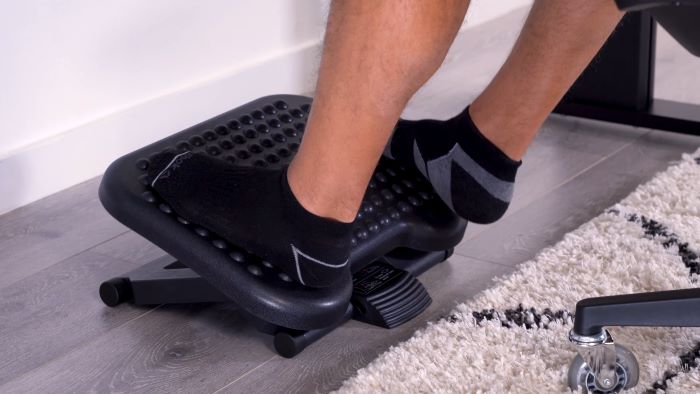
Footrests are not merely accessories; they are integral components of a comfortable and productive workspace. Properly designed footrests play a crucial role in maintaining posture, reducing strain, and preventing discomfort, leading to increased productivity and reduced health risks. Understanding the ergonomic principles behind their design is paramount to maximizing their benefits.Effective footrest design leverages ergonomic principles to support the body’s natural alignment and reduce stress on various joints.
This approach aims to maintain the body’s natural posture, minimizing strain on the lower back, knees, and ankles. By promoting proper blood circulation and minimizing muscle tension, ergonomic footrests contribute to a more productive and healthy work environment.
Ergonomic Principles in Footrest Design
Ergonomic footrest design prioritizes supporting the natural curve of the foot and aligning the body for optimal posture. This involves careful consideration of the foot’s anatomy and the relationship between the footrest, the chair, and the user’s body.
Foot Support and Natural Curve
Footrests are designed to accommodate the natural arch of the foot, distributing weight evenly and promoting proper alignment. This support prevents strain on the ankles and feet, and minimizes the risk of developing problems like plantar fasciitis or other foot ailments. Proper foot support is critical for maintaining a healthy posture.
Ideal Footrest Placement Diagram
The ideal footrest placement is crucial for optimal comfort and ergonomics. The diagram below illustrates the ideal position of a footrest in relation to the chair and the user’s body. The footrest should be positioned directly beneath the user’s feet, allowing the ankles to remain relatively straight and the knees to be at a 90-degree or slightly less angle.
The distance between the footrest and the chair should permit the feet to rest comfortably and naturally.
[Diagram: A stylized figure seated in a chair. The figure’s feet are positioned on a footrest. The footrest is depicted as a rectangular platform angled slightly upward. The diagram clearly shows the alignment of the user’s feet, ankles, and knees with the footrest and chair. An arrow indicates the ideal distance between the footrest and the user’s seat.]
Footrest Height and Angle
Footrest height and angle are critical factors in maximizing comfort and preventing discomfort. A properly positioned footrest maintains a natural alignment of the body’s joints, promoting proper blood circulation and reducing muscle strain. Optimal height and angle are essential for maintaining a comfortable and productive work posture.
| User Knee Height (in inches) | Recommended Footrest Height (in inches) |
|---|---|
| 18 | 16-18 |
| 20 | 18-20 |
| 22 | 20-22 |
| 24 | 22-24 |
Note: These are general guidelines. Individual needs and preferences may require adjustments.
Footrest Usage in Different Settings
Footrests, often overlooked, play a critical role in optimizing comfort and productivity across various environments. Their impact extends beyond mere physical relief, influencing posture, reducing strain, and ultimately enhancing overall well-being. This analysis delves into the practical applications of footrests in diverse settings, from home offices to healthcare facilities.The effective use of footrests depends heavily on the specific demands of each environment.
Understanding these needs allows for the selection of the appropriate footrest type and design, leading to tangible improvements in user experience and health outcomes.
Footrests in Home Offices
Home offices, increasingly central to modern work life, benefit significantly from the strategic use of footrests. Prolonged periods of sitting at a desk can lead to stiffness and discomfort in the lower limbs. Footrests provide a supportive platform, promoting better posture and circulation. This is particularly important for individuals who work from home extensively. Investing in a well-designed footrest can transform a home office from a potentially sedentary workspace to a more ergonomic and productive environment.
The right footrest can improve comfort and potentially prevent long-term health issues associated with prolonged sitting.
Footrests in Cars and Airplanes
The application of footrests in cars and airplanes highlights contrasting needs. In cars, footrests offer a simple but effective means of improving comfort during long drives. They provide a support point for the feet, reducing pressure on the legs and ankles, and can improve posture. This, in turn, can lead to reduced fatigue and a more enjoyable driving experience.
Conversely, airplane footrests are designed to address a unique set of circumstances, often limited space and the need for efficient use of cabin area. They are usually smaller and more compact than car footrests. Their design prioritizes maximizing legroom without taking up too much space, making them crucial for passengers on longer flights.
Footrests in Healthcare Settings
Footrests in healthcare settings are essential for patient comfort and well-being, particularly for those recovering from injuries or undergoing treatments that require prolonged sitting or lying down. These settings necessitate footrests that offer support and adjustability, catering to individual patient needs. For example, patients recovering from surgery or with mobility issues may benefit from adjustable footrests that provide a customized level of support.
This can help in promoting recovery and minimizing discomfort, allowing patients to focus on their healing process.
Footrests for Prolonged Work Sessions
Prolonged work sessions, common in various industries, demand ergonomic solutions like footrests to maintain optimal posture and prevent discomfort. The benefits of using footrests during these sessions are substantial. Consistent use of footrests can help alleviate the strain on the lower back and legs, preventing potential musculoskeletal problems. This is particularly critical in professions that require prolonged periods of sitting, such as office work, call centers, and data entry jobs.
For instance, a well-designed footrest can support the ankles and feet, promoting blood circulation and preventing edema.
Examples of Footrest Usage in Various Workplaces
In many workplaces, footrests are strategically integrated into the overall ergonomic design of the workspace. For instance, call centers may use adjustable footrests to accommodate different employee heights and preferences. In data entry positions, footrests are a standard component, helping maintain correct posture and prevent fatigue. Similarly, offices with workstations designed for collaborative work often incorporate footrests for all users, ensuring comfort for everyone.
The benefits of including footrests are clear: increased employee comfort, reduced strain, and ultimately, a more productive and efficient workplace.
Footrest Material Considerations
Choosing the right footrest material is crucial for both comfort and longevity. The material significantly impacts durability, hygiene, and overall user experience. Different materials offer varying levels of resilience, ease of cleaning, and aesthetic appeal, making the selection process a key aspect of footrest optimization.Material selection should consider the environment in which the footrest will be used, the frequency of use, and the desired aesthetic.
A sturdy, easily cleaned material is ideal for high-traffic areas or commercial settings, while a more delicate, comfortable material might be preferred for home use. The interplay between these factors influences the ultimate value proposition of the footrest.
Durability Comparison of Materials
Footrest materials vary significantly in their durability. Hardened plastics, for example, are often more resistant to dents and scratches compared to softer materials like fabric. Metal, particularly sturdy alloys, can provide exceptional durability but might not be as comfortable for extended use. Wood, depending on the type and finish, can offer good durability, but may be susceptible to warping or damage if not properly maintained.
Material Pros and Cons
| Material | Pros | Cons |
|---|---|---|
| Solid Wood | Natural beauty, often sturdy and durable, good thermal insulation. | Can be prone to warping or damage if exposed to moisture or extreme temperatures, more expensive than other materials. |
| Metal (e.g., Steel, Aluminum) | Highly durable, resistant to dents and scratches, can be easily cleaned. | Can be cold to the touch, potentially less comfortable for extended use, might require additional padding for comfort. |
| Hardened Plastic | Relatively inexpensive, resistant to dents and scratches, readily available in various colors and finishes. | Can be less comfortable than other materials, potentially less aesthetically pleasing, some types can be brittle. |
| Fabric (e.g., Leather, Vinyl, Mesh) | Comfortable, often soft to the touch, can be aesthetically pleasing. | More susceptible to wear and tear, potential for staining or damage, requires more frequent cleaning than other materials. |
Impact on Comfort and Hygiene
The material’s texture and breathability significantly affect comfort. A smooth, hard material might not provide the same level of cushioning as a padded fabric, impacting user comfort. Materials like leather or vinyl, while durable, can become uncomfortable in hot environments due to a lack of breathability. Hygiene is also critical. Fabric materials can trap dust and dirt, potentially requiring more frequent cleaning than a hard plastic or metal option.
Easy-to-clean materials like smooth plastic or metal are preferable in high-traffic areas or environments requiring frequent sanitization.
Maintenance Requirements
Different materials necessitate different maintenance routines. Wood footrests often require periodic polishing or oiling to maintain their luster and prevent damage. Metal footrests can be cleaned with mild detergents and water, while plastic footrests can be cleaned with wipes or soapy water. Fabric-covered footrests require specific cleaning methods depending on the material, such as spot cleaning for leather or specialized cleaning solutions for mesh.
Understanding these requirements ensures the footrest remains functional and aesthetically pleasing over time.
Footrest and Health Conditions
Footrests are more than just a convenience; they can play a crucial role in mitigating various health issues. Proper positioning and support provided by footrests can significantly impact circulation, reducing strain on the lower extremities and potentially preventing long-term complications. By promoting healthy blood flow and alleviating discomfort, footrests contribute to overall well-being.
Alleviating Varicose Veins and Leg Cramps
Footrests can help alleviate symptoms associated with varicose veins and leg cramps by promoting venous return and reducing pressure on the lower legs. Elevating the feet allows blood to flow back towards the heart more easily, reducing the pooling of blood in the veins. This can lessen the discomfort and swelling often associated with these conditions. For instance, individuals with varicose veins may find relief by resting their feet on a slightly elevated footrest while sitting or standing.
Similarly, elevated footrests can ease the muscle spasms and discomfort often experienced during leg cramps.
Improving Circulation
Proper foot positioning is vital for optimal circulation. Footrests facilitate this by maintaining a healthy angle for the legs and feet, preventing blood pooling and promoting venous return. This improved circulation reduces the risk of blood clots, varicose veins, and other circulatory problems. Individuals with poor circulation or those who spend extended periods sitting can benefit significantly from using a footrest.
For example, those working at a desk or those with conditions like diabetes or peripheral artery disease often experience discomfort or decreased circulation in the lower extremities. A footrest can help maintain adequate blood flow and reduce these symptoms.
Benefits for Specific Health Conditions
| Health Condition | How Footrests Can Help |
|---|---|
| Varicose Veins | Elevating the feet improves venous return, reducing pressure on the veins and easing discomfort. |
| Leg Cramps | Elevated positioning of the feet can relax leg muscles, reducing the likelihood of spasms. |
| Peripheral Artery Disease (PAD) | Promoting blood flow to the lower extremities, footrests can help manage symptoms and improve overall circulation. |
| Diabetes | Maintaining proper circulation is crucial for managing diabetic complications. Footrests can help improve blood flow to the feet. |
| Pregnancy | Footrests can alleviate swelling and discomfort associated with pregnancy, particularly in the later stages. |
Preventing Long-Term Health Problems
By promoting good posture and circulation, footrests can help prevent a range of long-term health issues. Prolonged periods of sitting without adequate support can lead to stiffness, muscle tension, and discomfort. Footrests mitigate these problems by providing proper positioning and support, reducing the risk of developing more serious health complications. Furthermore, regular use of a footrest can contribute to the prevention of conditions like deep vein thrombosis (DVT), a serious blood clot formation.
For example, long-haul flights and prolonged periods of inactivity increase the risk of DVT, and footrests can play a preventative role in these situations.
Footrest and Posture
Proper posture is crucial for maintaining spinal health and preventing various musculoskeletal issues. A footrest plays a significant role in achieving and maintaining this posture, especially during prolonged sitting. By providing support for the feet and ankles, footrests help distribute weight evenly, which can directly impact spinal alignment and reduce strain on the lower back.Maintaining proper posture, particularly when seated for extended periods, involves aligning the spine with the body’s center of gravity.
This alignment is not just aesthetic; it’s a fundamental element in preventing back pain and promoting overall well-being. Footrests contribute to this by ensuring the lower body is properly supported, enabling the body to maintain a neutral spine position. This, in turn, minimizes the strain on muscles and ligaments throughout the spine.
Impact on Spinal Alignment
Footrests are essential in maintaining proper spinal alignment. When the feet are not adequately supported, the body compensates, often resulting in a forward tilt of the pelvis and a rounding of the lower back. This misalignment can create strain on the spinal discs, muscles, and ligaments, leading to discomfort and pain. A well-designed footrest provides a stable platform for the feet, allowing the ankles and knees to maintain a natural position.
This, in turn, helps to maintain the natural curves of the spine, promoting healthy spinal alignment.
Reduction of Back Pain
Proper footrest usage can significantly contribute to reducing back pain. By supporting the feet and ankles, footrests help distribute weight evenly, minimizing stress on the lower back muscles. This is particularly important during prolonged sitting, where the lack of support can lead to muscle fatigue and strain, contributing to back pain. Furthermore, maintaining a neutral spinal position, facilitated by proper foot support, reduces the risk of developing chronic back pain.
For instance, individuals working at a computer desk for extended hours often experience back pain due to poor posture. A footrest can alleviate this by encouraging proper alignment of the feet, knees, and hips.
Improvement of Balance and Stability
Footrests enhance balance and stability, especially in individuals who spend significant time seated. Adequate support for the feet and ankles provides a solid base, improving the body’s center of gravity. This enhanced stability can significantly reduce the risk of falls, particularly for individuals with balance issues. By providing a stable platform for the feet, footrests enable a more secure posture, reducing the likelihood of tripping or losing balance.
For instance, elderly individuals or those with conditions impacting balance can find footrests particularly beneficial. A stable base, facilitated by a footrest, allows for better control over movements, thus promoting safety and well-being.
Footrest and Comfort
A comfortable footrest is more than just a passive support; it’s a crucial element in optimizing the user experience for extended periods of sitting. Proper footrest design can significantly enhance overall well-being and productivity by mitigating the negative effects of prolonged immobility. Comfort is paramount, and this section delves into the nuanced ways footrests improve the sitting experience.Ergonomically designed footrests go beyond mere support.
They address the intricate interplay of cushioning, support, and positioning to ensure a comfortable posture, especially during prolonged work sessions or leisure activities. This comfort translates to improved blood circulation, reduced muscle strain, and a heightened sense of well-being. Ultimately, a well-designed footrest contributes to a more productive and enjoyable experience for the user.
Importance of Cushioning and Support
Proper cushioning and support are fundamental to a comfortable footrest. Cushioning minimizes pressure points on the feet and ankles, particularly crucial for individuals with existing foot conditions or those experiencing discomfort during extended sitting. Support, on the other hand, maintains the natural arch of the foot, preventing fatigue and promoting proper alignment. This combination of cushioning and support is essential for minimizing discomfort and maximizing user satisfaction.
Examples of Comfort-Focused Footrests
Several footrest designs prioritize user comfort by incorporating advanced features. Adjustable heights and angles are common, allowing users to tailor the footrest to their specific needs and preferences. High-quality materials like memory foam or contoured plastic ensure a supportive and conforming fit. Furthermore, the use of breathable fabrics or materials promotes air circulation, preventing excessive sweating and maintaining a comfortable temperature.
Footrest Designs and Comfort Levels
- Elevated Footrests: These footrests elevate the feet to a more comfortable position, reducing pressure on the legs and ankles. The elevated position can be especially beneficial for individuals with circulation issues or those experiencing discomfort during long periods of sitting. Examples include the adjustable height footrests frequently used in home office setups.
- Contoured Footrests: Contoured footrests provide targeted support for the arch and other pressure points. This design is particularly helpful for individuals with flat feet or those experiencing foot pain, as the contours promote proper alignment and reduce pressure. A good example is a footrest with a molded, ergonomic shape.
- Material Considerations: The choice of material significantly impacts the comfort of a footrest. Memory foam footrests, for instance, conform to the shape of the feet, providing exceptional cushioning and support. Similarly, well-padded footrests with soft, breathable materials offer a comfortable and supportive experience.
Footrest Cost and Value
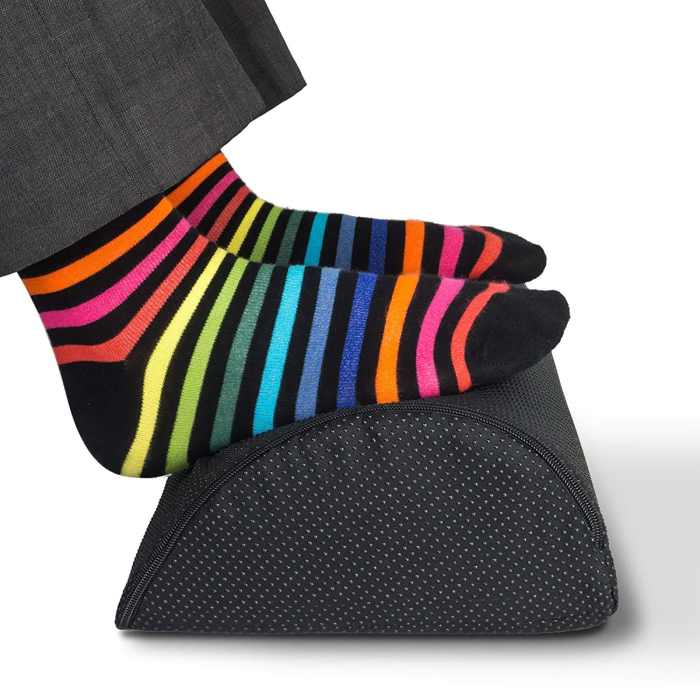
Footrests, while often perceived as a small addition, can significantly impact long-term comfort and well-being. Their cost-effectiveness depends on factors like the desired level of support, features, and materials. Understanding the price spectrum and comparing it to the potential benefits helps in making informed decisions.A thoughtfully chosen footrest can translate into a worthwhile investment for sustained comfort, especially for individuals with prolonged periods of sitting.
The initial investment can yield dividends in reduced discomfort and improved overall well-being. Moreover, some affordable options offer surprisingly robust value propositions.
Footrest Price Range
The cost of footrests varies significantly, reflecting differences in materials, features, and design. Basic, simple footrests made of wood or plastic typically fall within a lower price range. More advanced models incorporating adjustable height, multiple support angles, or specialized cushioning can command a higher price. The market encompasses options from budget-friendly choices to premium, ergonomic designs.
Comparing Cost to Benefits
Footrests offer a range of benefits that extend beyond simple comfort. These benefits include improved posture, reduced strain on the lower back and legs, and a decrease in discomfort. Evaluating the potential benefits against the price point helps determine whether a footrest is a worthwhile investment. For instance, individuals experiencing chronic lower back pain might find the long-term relief and improved posture justify a higher-priced, adjustable footrest.
Affordable Footrests with Excellent Value
Numerous affordable footrests offer exceptional value. Simple wooden footrests, often available at local stores or online retailers, provide a basic level of support at a modest cost. Similarly, footrests constructed from durable plastic or sturdy cardboard offer an attractive value proposition. When choosing, consider the intended use and the level of support needed. These options are suitable for individuals who need basic support without a hefty price tag.
For example, a simple wooden footrest, costing under $20, can significantly enhance comfort during extended periods of work or leisure.
Examples of Affordable Options
- Wooden Footrests: These are often readily available and offer a sturdy platform for support. Many come in a variety of styles and sizes, allowing for adaptability in different settings.
- Plastic Footrests: Plastic footrests provide a lightweight and affordable option. They are usually easy to clean and maintain, making them suitable for various spaces.
- Fabric-covered Footrests: A simple fabric-covered footrest can provide a touch of style and comfort without breaking the bank. They often come with a soft lining, offering cushioning and a more comfortable feel.
Footrest Selection Guide
Finding the right footrest is crucial for optimizing comfort and posture, whether at home, in the office, or while traveling. A well-chosen footrest can alleviate strain, promote better blood circulation, and prevent the development of discomfort-related issues. The selection process, however, requires careful consideration of various factors, including individual needs, available space, and the intended use.Proper footrest selection is not a one-size-fits-all endeavor.
Different users have different requirements and preferences, and a thoughtfully chosen footrest can greatly enhance overall well-being. The following guide offers a comprehensive approach to selecting the ideal footrest.
Key Factors to Consider
Understanding the critical factors influencing footrest selection allows for a more informed decision. A thoughtful evaluation of these factors will lead to a footrest that meets individual needs and preferences.
| Factor | Description |
|---|---|
| Intended Use | Consider the primary purpose of the footrest. Will it be used for relaxing, working, or traveling? Different use cases require different features. For example, a footrest for prolonged computer work needs to offer substantial support. |
| Space Constraints | Assess the available space where the footrest will be placed. Measurements are essential to ensure the footrest doesn’t obstruct movement or interfere with other furniture. |
| Individual Needs | Consider any physical limitations or health conditions that might influence footrest preferences. A person with back pain, for instance, might need a footrest with adjustable height and incline. |
| Budget | Footrests come in various price ranges, from basic models to more sophisticated and ergonomic options. Determine a budget beforehand to narrow down choices. |
| Material and Construction | Assess the durability and quality of the material. A sturdy and well-constructed footrest will provide long-term support and comfort. |
Measuring for Appropriate Footrest Size
Accurate measurement ensures a footrest that fits comfortably and provides adequate support.To determine the ideal footrest size, follow these steps:
- Measure the distance from the floor to the desired height of your feet when seated.
- Measure the length and width of your feet.
- Consider the height of the chair or sofa where the footrest will be used.
- Account for any existing leg or foot issues to ensure proper support.
Choosing the Right Material and Style
The selection of material and style should align with personal preferences and intended use.
- Material: Materials such as wood, metal, or padded fabrics offer varying degrees of support and comfort. Wood offers a classic look, while metal provides sturdiness. Padded materials, like foam or leather, prioritize comfort.
- Style: Footrests come in various designs, from simple platforms to more elaborate models with adjustable features. Select a style that complements the overall aesthetic of the room and suits individual preferences. A minimalist design, for instance, is a great fit for modern settings.
Wrap-Up
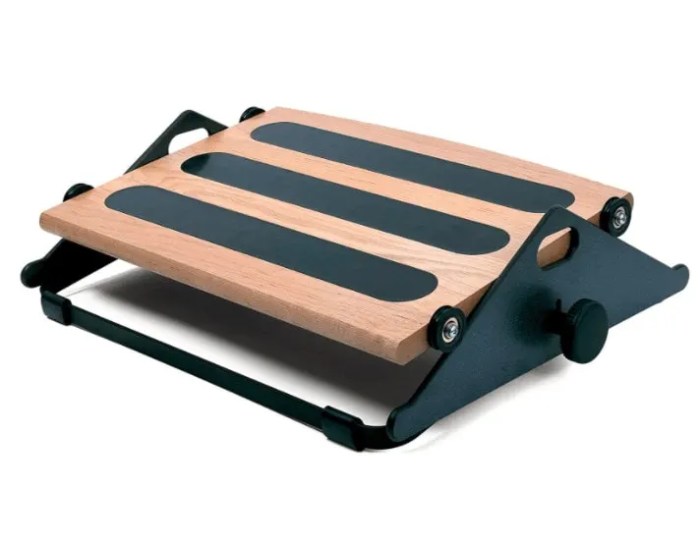
Ultimately, the decision of whether or not a footrest is “worth it” hinges on individual needs and circumstances. Considering the potential benefits, drawbacks, and a wide range of design factors, from adjustable features to material durability, allows for a nuanced understanding of their impact. This guide serves as a starting point for navigating the often-complex world of footrests and helps you make an informed choice for optimal comfort and well-being.
